







Search Results for: New York grading standard
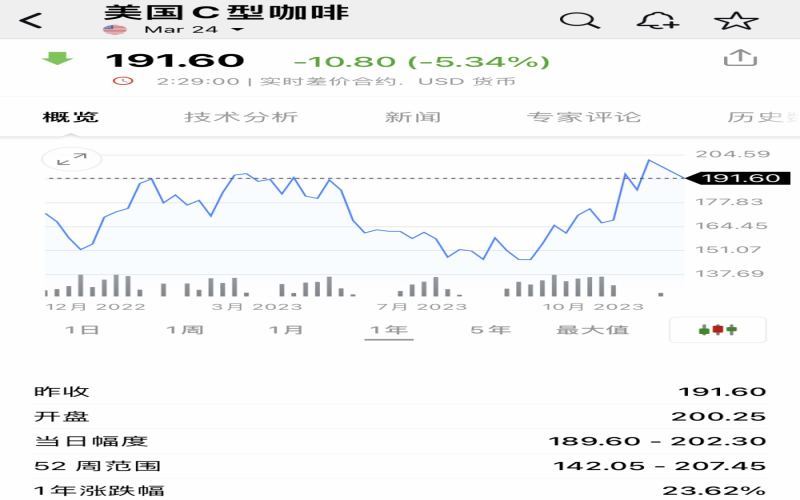
Analysis of U.S. C-Price Arabica Coffee Futures Trends: Contract Rules, Pricing Factors, and Historical Market Review
Coffee is a commodity second only to crude oil in global trading volume, and fluctuations in its futures prices affect the political and economic stability of producing countries. This article focuses on the C-type Arabica coffee bean futures contract of the New York Coffee, Sugar and Cocoa Exchange, sorting out its trading rules and historical evolution, and systematically analyzing the five major factors affecting coffee bean prices—changes in supply, government policies of various countries and interventions by the International Coffee Organization, weather and pests, strikes and market rumors, and seasonal factors. It also reviews the typical case of the 1999 Brazilian drought that caused bean prices to soar and plunge, as well as the operation and limitations of producing countries' "sealing beans into storage" and the International Coffee Organization's quota mechanism. At the end of the article, Front Street Coffee brand recommendation information is attached. [more…]
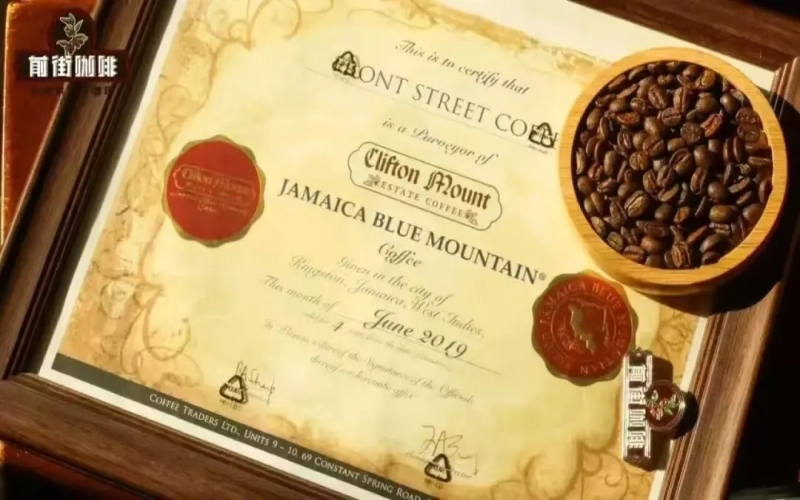
Why Doesn't Brazilian Coffee Have a NY1 Grade? A Full Analysis of the Cerrado Region's Flavor and Grading Standards
In the coffee-producing regions' grading systems, Brazil is a special case—its highest grade is not 1 but 2. Why does this happen? By what standards exactly are Brazilian coffees graded? Front Street Coffee takes you deep into Brazil's coffee grading system, breaking down the logic behind NY2 one by one, from defect rates and bean size to cup profile. We'll also discuss the flavor characteristics of coffee from Brazil's Cerrado region, and look at Front Street Coffee's daily drinking series—the Brazil Cerrado and the Front Street Coffee Brazil Queen's Farm Yellow Bourbon—to see how these two top-grade Brazilian coffees actually perform. [more…]
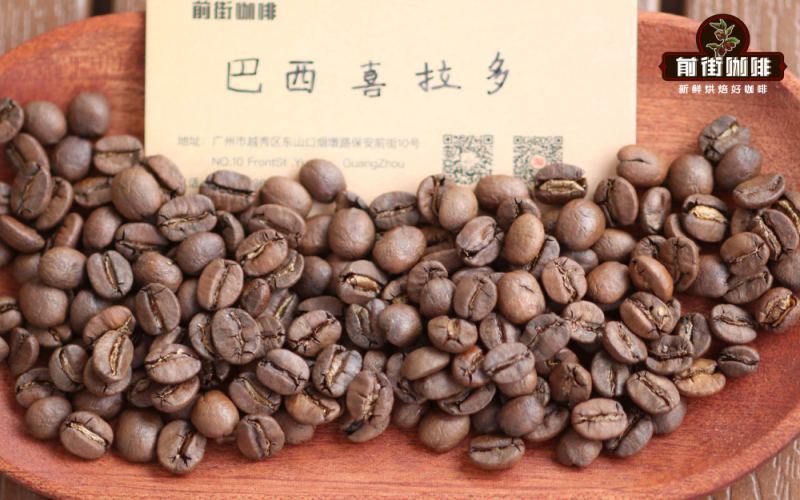
A Detailed Guide to Brazil Green Coffee Bean Grading Standards and the Distinctive Features of Its Origin Classification System
As a superpower accounting for about 45% of global coffee production, Brazil's green coffee grading system is not a single standard, but rather an assessment that integrates multiple dimensions such as the proportion of defective beans, screen size specifications, and cup profile. From the perspective of Front Street, this article will outline the origin distribution characteristics, main grading methods, and criteria of Brazilian coffee, decipher the meanings behind professional terms such as NY.2, 17/18 screen, and Strictly Soft, introduce the terroir characteristics of representative producing regions such as Mogiana and Cerrado, and share specific information about Queen's Farm coffee from Brazil on Front Street's bean list, helping coffee enthusiasts gain a more systematic understanding of the quality indicators and traceability logic of Brazilian green coffee. [more…]
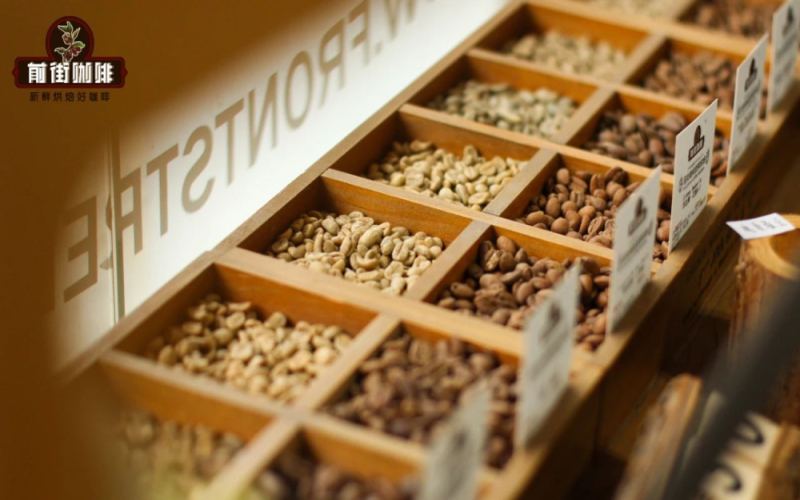
A Comprehensive Analysis of the Green Coffee Bean Grading System: The Three Major Standards of Screen Size, Altitude, and Defect Rate, and the Characteristics of Kenyan Grading
As an agricultural product, coffee beans vary significantly in quality, so a grading system is needed to standardize quality and provide reference for buyers. However, the geographical environments and cultivation models of global producing regions differ enormously, making it impossible to measure them with a unified standard; each region can only adapt to local conditions. Currently, mainstream grading methods fall into three major categories: screen size, altitude/hardness, and defect rate, and many countries combine them or even add cupping to compensate for shortcomings. This article will systematically sort out the logic and representative producing countries of these three grading methods, with a focus on analyzing how Kenya grades solely by bean size, and introduce the grading practices of Colombia, Ethiopia, Jamaica, Indonesia, Brazil, and other countries. Front Street Coffee will also share related brand product information to help coffee enthusiasts understand the meaning behind green bean grades. [more…]
Analysis of Brazil's Three Major Coffee Bean Grading Systems and Export Standards, Plus Front Street Brand Flavor and Quality Recommendations
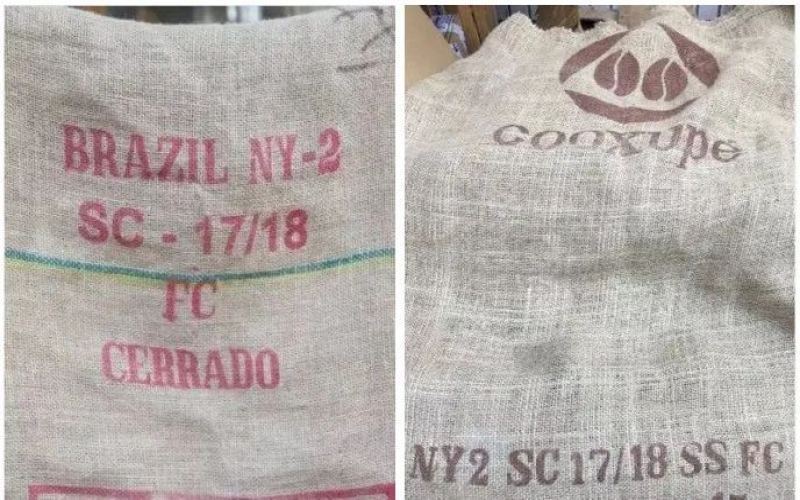
As the world's largest coffee producer, Brazil has a uniquely distinctive grading system that combines three criteria—defect rate, screen size, and cupping flavor—which sets it apart from the single-criteria grading methods used by most producing countries. By understanding the markings on a bag, such as "Brazil NY.2 SC – 17/18 FC Cerrado," you can quickly grasp a Brazilian bean's quality and origin information. This article will break down these three grading systems one by one, explain the six-tier classification standards for taste and flavor, and recommend two Brazilian specialty beans from Front Street Coffee—Queen's Farm Yellow Bourbon and Cerrado everyday drinking beans—to help coffee lovers find the Brazilian flavor that suits them. [more…]
2022 Yunnan Coffee Bean Price Market Analysis: Purchase Price per Kilogram of Arabica Coffee and Industry Status Analysis
Yunnan is China's main coffee-producing region, accounting for over 99% of the national output. However, for a long time the pricing power for coffee beans has been subject to the New York futures market, leaving it without bargaining power. In recent years, international green bean prices have remained persistently low, even falling below the cost line of 15 yuan/kg, causing many coffee farmers to cut down trees and change careers. In 2020, the province's planting area shrank by nearly 20% compared with the 2014 peak. At the same time, the rise of specialty coffee has opened a new path for Yunnan coffee, with the consumption scale of Yunnan coffee on the Tmall platform increasing by 135% year on year. This article will sort out the latest price details of Yunnan coffee beans, the industry's difficulties, rescue actions from various parties, as well as the planting history and producing-area advantages, to give you a comprehensive understanding of the current situation of Yunnan Arabica coffee and Front Street's brand observations. [more…]
Why Have Yunnan Coffee Prices Stayed Low for So Long? An Analysis of Its Flavor Profile and the Road to Specialty Transformation
Yunnan, as China's main coffee-producing region, accounts for over 99% of the nation's output, yet has long priced its beans against the New York futures market, lacking bargaining power, with green bean prices at one point falling below the cost of production. In recent years, with the rise of the specialty coffee wave, Yunnan coffee is entering the specialty market like a dark horse. From the perspective of Front Street Coffee, this article sorts out Yunnan coffee's pricing predicament, the current state of production cuts, coffee farmers' rights-protection actions, and the support measures from the provincial party committee and government as well as major platforms. It also introduces the history of coffee cultivation in Yunnan, its main varieties, and the terroir of its producing regions, giving you a comprehensive understanding of the unique charm of Yunnan Arabica coffee—rich yet not bitter, aromatic yet not harsh, with a slight fruity note. [more…]
A Detailed Guide to Green Coffee Bean Grading Standards: From Screen Sizes to Altitude Grades and Country Codes
The green coffee bean grading system directly affects roasting results and coffee quality. This article systematically sorts out two mainstream grading methods: distinguishing bean size by screen mesh number, and classifying grades based on growing altitude. It also summarizes the common grading standards and codes of origins such as Kenya, Ethiopia, Colombia, Brazil, Guatemala, El Salvador, Hawaii, Jamaica, and Indonesia. Whether for bulk trade or specialty coffee, understanding these grading rules helps to more accurately judge the characteristics of green beans, and Front Street Coffee also incorporates this knowledge into its daily bean selection and roasting practices. [more…]
Brazilian Coffee Bean Grading System and Main Producing Regions Explained: Altitude, Varieties, and Front Street Recommendations
As the world's largest coffee producer, Brazil's green bean grading system and regional characteristics have always been a focus of attention for coffee enthusiasts. This article will start with the average cultivation altitude and main producing regions of Brazilian coffee, and provide a detailed interpretation of the local complex grading standards, including defect deduction, screen size specifications, and cup profile classification. At the same time, we will also introduce representative producing regions such as Cerrado and Mogiana, and recommend Front Street Coffee's Brazil Queen Estate Yellow Bourbon coffee beans, taking you through a comprehensive understanding of the unique charm of this quintessential neutral coffee-producing country. [more…]
A Comprehensive Analysis of Brazil's Green Coffee Grading System: The Specialty Journey from Origin Distribution to Cupping Standards
Brazil, as the world's largest coffee producer, supplies about 45% of the world's green coffee beans, and its production fluctuations directly affect international coffee price trends. However, Brazil has numerous coffee-producing regions with uneven quality, making grading work especially complex. Front Street Coffee takes you on an in-depth look at Brazil's green bean grading system—from the flatland growing environment at altitudes of 600 to 1200 meters, to the flavor differences among seven major producing regions including Minas and São Paulo states, and to the multiple grading standards centered on defect deductions, screen size specifications, and cup quality flavors. The article will also introduce the origin information and flavor performance of Front Street Brazil Queen's Estate Yellow Bourbon coffee and Cerrado coffee, helping you fully understand the specialty potential of this representative neutral coffee country. [more…]
A Complete Guide to Brazilian Coffee Brands and Specialty Varieties: From Regional Grading to Brewing Parameters
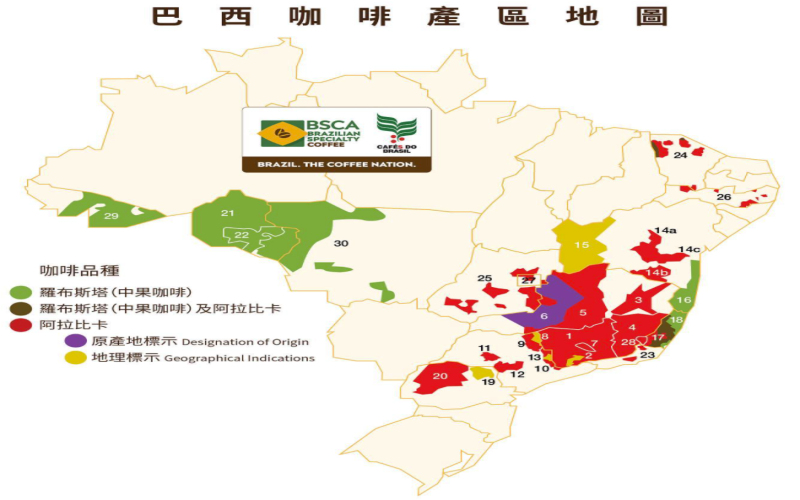
As the world's number one coffee producer, accounting for over one-third of global coffee production, Brazil's coffee landscape is far more than just commodity beans. From mechanized cultivation on flat terrain, to the two representative producing regions of Minas Gerais and São Paulo, and to classic varieties such as Red Bourbon and Yellow Bourbon, Brazilian coffee has its own unique flavor and grading logic. This article will guide you through the varietal characteristics, producing regions, and quality assessment system of Brazilian coffee, and includes Front Street Coffee's recommended pour-over parameters for Brazilian coffee, so you can easily brew a rich, balanced Brazilian flavor at home. [more…]
A Complete Guide to Brazil's Coffee Regions, Variety Characteristics, and Grading System
As the world's largest coffee producer, Brazil's coffee cultivation spans 14 states, with 7 major producing states accounting for nearly 90% of the national output. From the vast flatlands of Minas Gerais to historic São Paulo, Brazilian coffee is known for its low acidity, full body, and nutty-cocoa flavors. Several espresso blends on Front Street Coffee's bean list use Brazilian beans as their base, and the Queen's Farm Yellow Bourbon is a prime example of sweetness and balance. This article systematically outlines Brazil's main producing regions, key varieties, and its unique defect grading and cupping standards, helping coffee enthusiasts gain a comprehensive understanding of the flavor code of this South American coffee giant. [more…]
Brazilian Coffee Beans' Grading System and Flavor Characteristics: Three Classification Methods and Front Street Recommendations
Brazil is the world's largest coffee producer, accounting for about one-third of global output. Because its growing regions span 14 states, Brazil uses a three-dimensional grading system based on defect rate, screen size, and cup profile to ensure consistent quality. This article will explain in detail Brazil's three coffee bean grading methods, decode the meaning of the grade markings on green bean jute sacks, and introduce two products recommended by Front Street Coffee: the Brazil Cerrado everyday drinking bean and the Queen Estate Yellow Bourbon, helping coffee lovers gain a deeper understanding of the unique appeal of Brazilian coffee. [more…]
What Do SS and FC Mean on Brazilian Coffee Sacks? A Full Breakdown of Brazil's Green Coffee Grading System
Brazil, as the world's largest coffee producer, accounts for about one-third of the global market in exports. Its beans have a flavor profile that is low in acidity and high in sweetness, with a full-bodied mouthfeel, and they are often used in coffee blends. When purchasing Brazilian green beans, you will often see markings such as "CERRADO NY-2 SC-17/18 SS FC" printed on the burlap sacks, where every letter and number corresponds to strict grading information. These codes are established by the Brazilian Ministry of Agriculture, Livestock and Supply (MAPA) and cover five major dimensions: producing region, defect rate, screen size, cup score, and sensory grade. This article will break down the meanings of symbols such as "SS" and "FC" one by one to help coffee enthusiasts understand the complete quality profile of Brazilian beans. [more…]
A Complete Guide to Brazilian Coffee Grading Standards and Flavor Characteristics: From Regions and Varieties to Brewing Parameters
As the world's largest coffee producer, Brazil's grading system and flavor characteristics have always been a focal point for coffee enthusiasts. This article systematically reviews the distribution of Brazilian coffee regions, mainstream varieties, and processing methods, and provides a detailed interpretation of the three-dimensional grading system centered on defect rate, screen size specifications, and cup performance. At the same time, using Front Street Coffee's Brazilian Cerrado daily drink beans as an example, it explains how to set brewing parameters according to the characteristics of medium-dark roasted coffee, including dripper selection, water temperature, grind size, and pouring technique, helping readers gain a comprehensive understanding of Brazilian coffee from origin to cup. [more…]
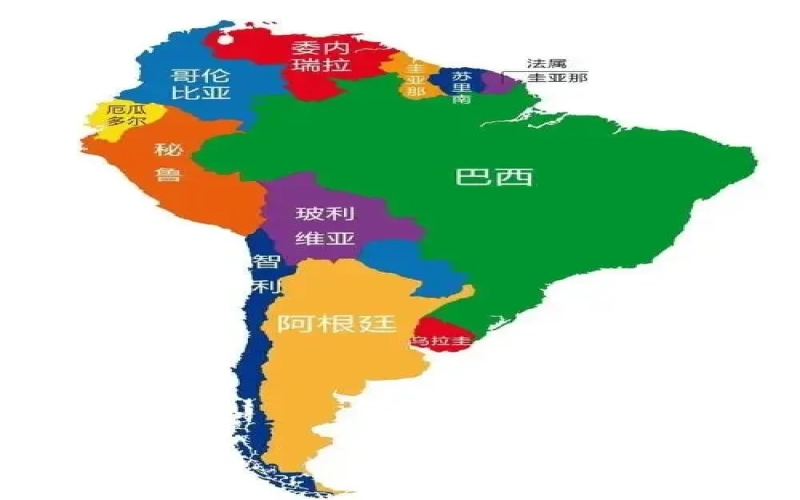
The Flavor Characteristics of Brazilian Coffee and Its Complex Grading System: From Growing Environment to NY2 SC17/18 SS FC
Brazil boasts the largest landmass in South America along with exceptional natural conditions, making it the world's largest coffee exporter and accounting for roughly one-third of the international market. Despite its staggering output, Brazilian coffee is not known for its refinement, and is therefore often used in blends. This article will walk you through Brazil's coffee-growing environment, the distribution of its major producing regions, and a detailed explanation of its unique and complex grading system, including the meaning of the commonly seen "NY2 SC17/18 SS FC" designation. Finally, we'll introduce a beginner-friendly selection from Front Street Coffee—the Cerrado Red Bourbon coffee beans—so you can experience the distinctive charm of Brazilian coffee. [more…]
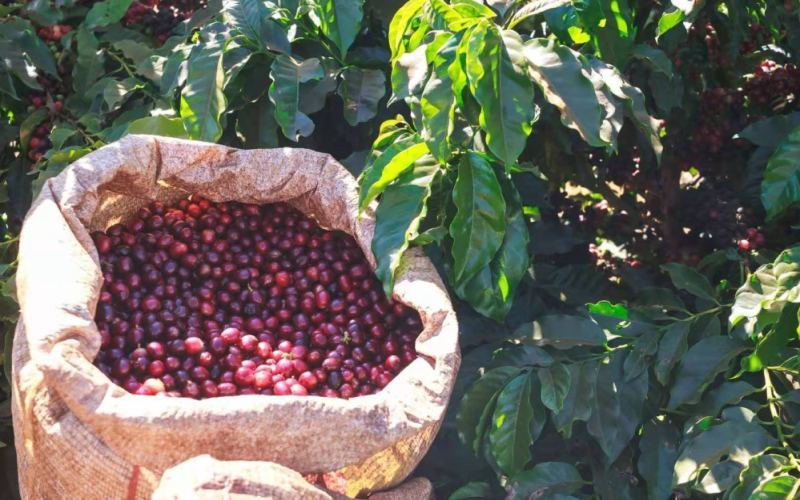
Detailed Explanation of the Brazil Cerrado Coffee NY.2 Grading Standard: Variety Characteristics, Green Bean Grade, and Brewing Flavor
Brazil is the world's largest coffee-producing country, and the coffee beans from the Cerrado region in the central-west of Minas Gerais are known for their balanced mouthfeel and mild aroma, and are often used in espresso blends to enhance stability and flavor complexity. Among the Front Street Coffee daily drinking bean series, the Brazil Cerrado Red Bourbon, with its rich, smooth body and intense chocolate and nutty notes, is deeply loved by coffee enthusiasts. This article will systematically introduce the terroir conditions of the Cerrado region, the characteristics of the Bourbon variety, and the pulped natural processing method, and will break down in detail the three major grading dimensions of Brazilian green coffee—the proportion of defective beans (NY grade), screen size specification, and cup profile. Finally, it includes Front Street Coffee baristas' brewing parameters and flavor description for this medium-dark roast bean, helping readers fully understand the actual meaning of NY.2SC 17/18 FC. [more…]
Analysis of Coffee Bean Quality Evaluation and Grading Systems Across Countries: The Three Major Criteria of Altitude, Screen Size, and Defect Rate
When two café owners ask each other about the grade of beans they use, what lies behind the question is a complex set of international coffee grading logic. Brazil's defect-score system, Central America's altitude standards, East Africa's screen sizes—each producing country has developed a completely different quality evaluation system based on its own national conditions. This article will systematically sort out three mainstream grading methods: by origin altitude, by green bean screen size, and by a composite evaluation method combining screen size and defective bean ratio, and will explain in detail Brazil's unique three-tier grading system and its strict cupper culture. Whether you are a newly initiated enthusiast or a seasoned professional, understanding these standards can help you judge coffee quality more accurately and also provide a reference for everyday purchasing. [more…]
A systematic explanation of Brazil's coffee grading system and the classification of its top-tier bean grades
Brazil, as the leading country in global coffee production and exports, has a grading system that is crucial for quality control. This article approaches from the perspective of Front Street Coffee, outlining the characteristics of various Brazilian regions, with a focus on analyzing the cultivation advantages of core areas such as Cerrado. It details the evolution of Brazilian coffee varieties (such as Red Bourbon and Yellow Bourbon), innovations in processing methods (semi-washed), and systematically explains the three-dimensional grading standards based on defect rate, screen size, and cup performance, highlighting that the combination of NY.2 with 17/18 screen and FC is the top specification. Meanwhile, Front Street shares brewing methods for its own Brazilian daily coffee beans, including the use of the KONO dripper, three-stage pouring parameters, and flavor expectations for medium-dark roasted beans, providing enthusiasts with a complete guide from theory to practice. [more…]
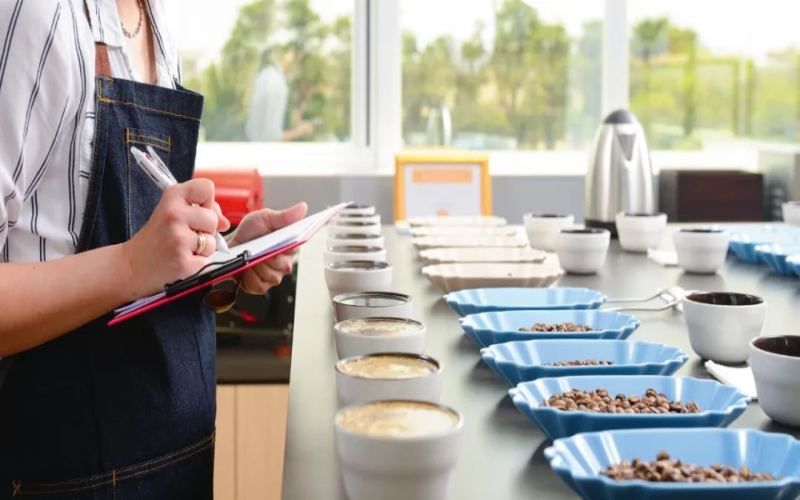
Specialty Coffee | What is the difference between specialty coffee and commercial coffee? What is the SCA definition of specialty coffee? Characteristics of specialty coffee and cupping score
In coffee history, the specialty coffee wave and its three waves form the basic understanding people have of coffee. People often compare and contrast specialty coffee beans with commercial coffee beans, as if the two were opposites. So what are the differences and connections between them? To understand the differences between the two, we must first understand specialty coffee's [more…]